Want to Work in Sports? UNLV's New Degree Shows Why Location Matters
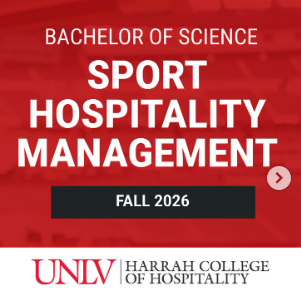
UNLV's new Sport Hospitality Management degree is a great example of why location matters when choosing a sports business program. With the Raiders, Golden Knights, Aces, Formula 1, and soon the Athletics (sadly, for us Sacramento fans), Las Vegas offers some incredible opportunities for students interested in careers in sports. I took a closer look at the new program, its curriculum, and what makes it worth considering.
NCAA Rule Change: Official Visits
The NCAA is considering changes that could make official visits a little easier for recruiting families. A new Division I proposal would give colleges more flexibility to cover transportation, accommodations, and entertainment for a recruit and up to four accompanying individuals. Here’s what could change, and why it matters.

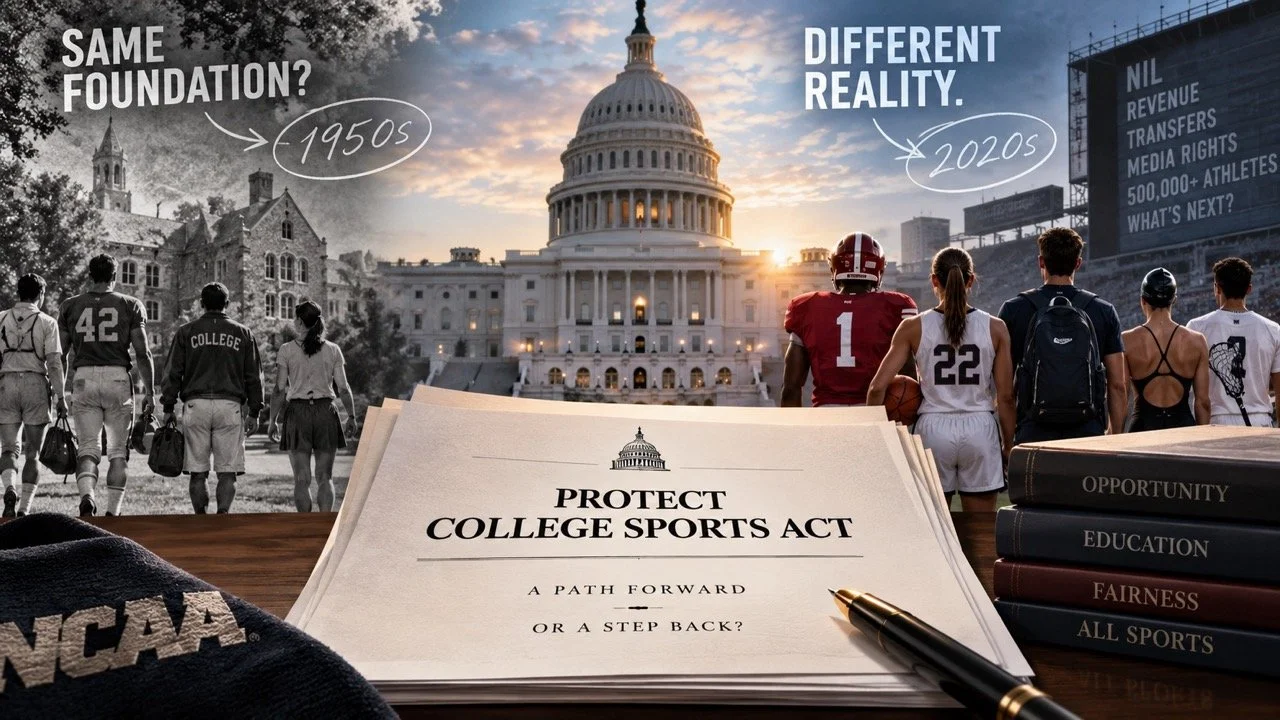

Legislation: Shorter Transfer Windows for Track & Cross Country
Division I track and cross country could be getting much shorter Transfer Portal windows. A new NCAA proposal would create just two windows each year, one after the cross country championships and one after the outdoor track championships. Here’s what’s changing and why it matters for recruiting families.
Women’s Flag Football Recruiting Is Starting to Get Real
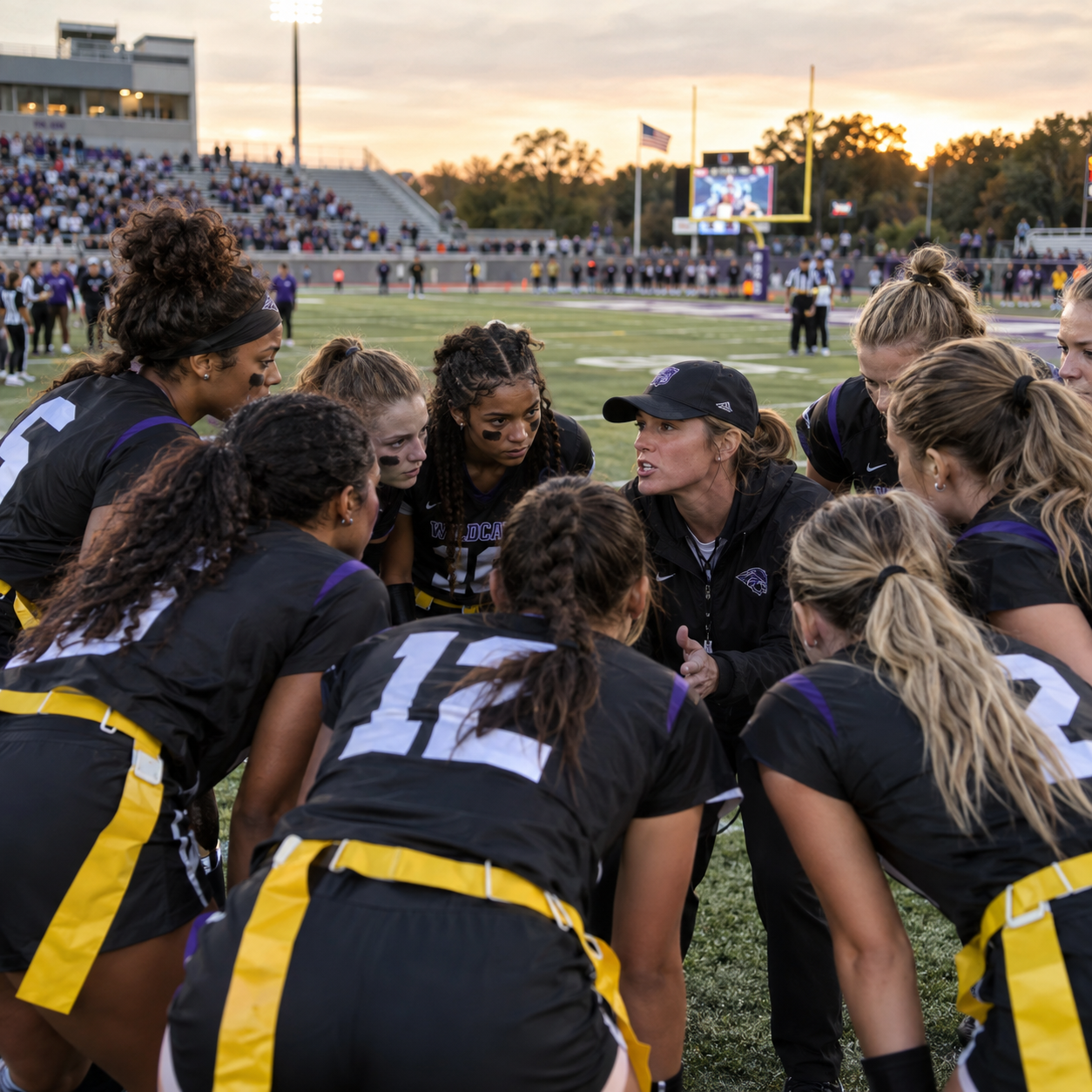
Women’s flag football continues to grow quickly at the college level, but one of the most important developments for recruiting families is happening behind the scenes: colleges are hiring coaches and starting to build their first rosters. For high school athletes, especially those in the Classes of 2027 and 2028, that could create some really interesting recruiting opportunities.



RESOURCE: NCAA Eligibility 101
IMPORTANT RESOURCE: The NCAA has released a helpful Eligibility 101 guide breaking down the new age-based eligibility rules for Division I and II athletes. Here are the biggest things counselors and recruiting families need to know about when the five-year clock starts, delayed enrollment, redshirts, and more.
Division II Adopts New Age-Based Eligibility Model
Division II has officially joined Division I in adopting the new age-based eligibility model. Beginning in 2026-27, DII athletes will move away from the traditional seasons-of-competition and 10-semester/15-quarter framework toward a continuous five-year eligibility period tied to age and initial full-time college enrollment. For counselors and recruiting families, the big takeaway is simple: the old eligibility language is changing, and students considering gap years, postgraduate years, junior college, or delayed enrollment need to understand the new rules before making decisions. We break down the change here.