RESOURCE: Student-Athlete Mental Health
When we talk about college recruiting for student-athletes, most of the focus is on exposure, coach communication, and finding the right program. But the mental side of the experience matters just as much. High school athletes are juggling school, competition, recruiting pressure, and big decisions about their future. In our latest post, we highlight a great collection of mental health resources specifically for student-athletes that counselors and families can share to help support them along the way.

Helping Families Navigate NIL
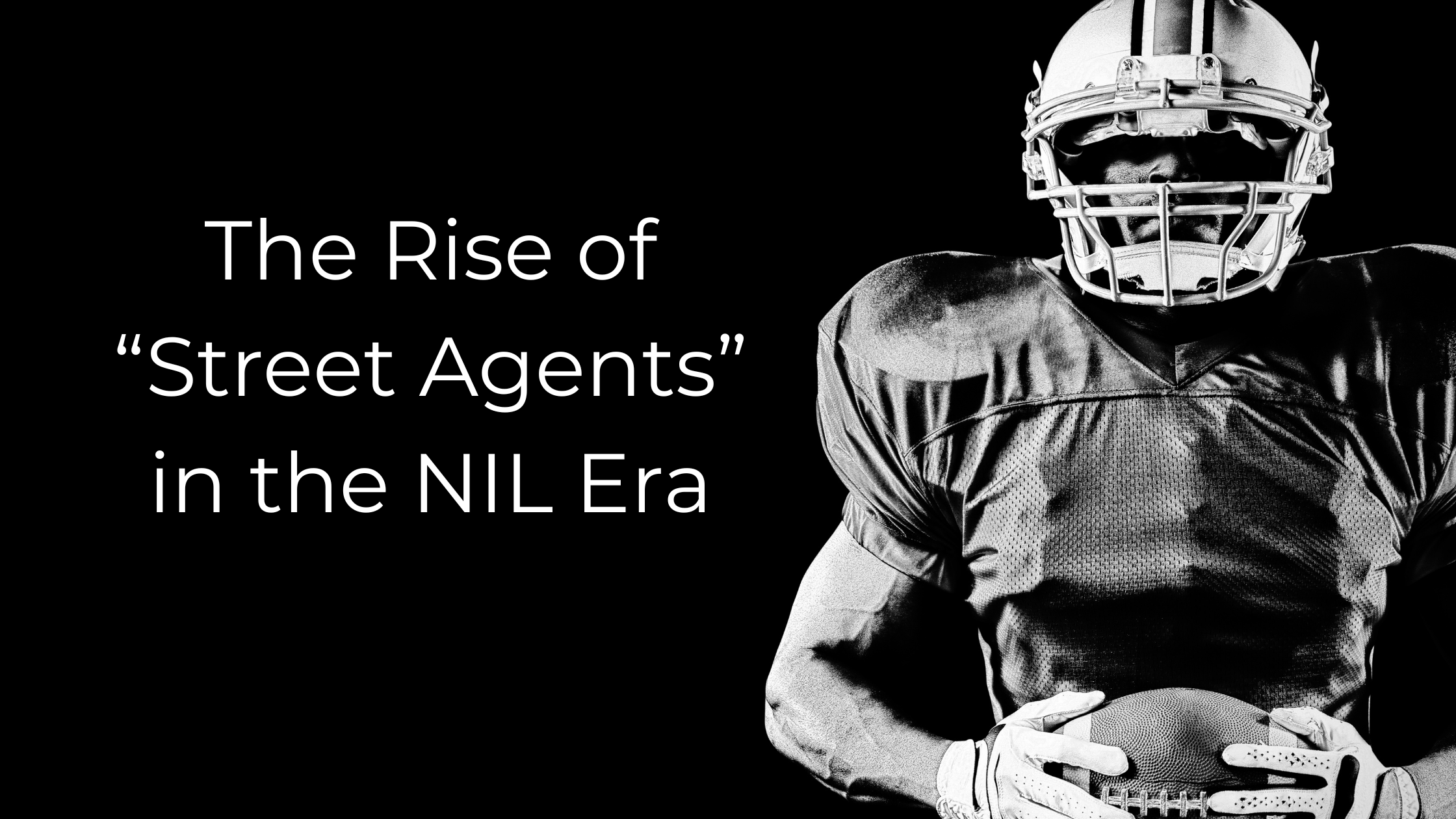
Recruiting has always been complicated. The NIL era just added a few more voices to the room. Recently, coaches have started sounding the alarm about so-called “street agents” approaching high school athletes with promises of NIL deals and recruiting help. For families trying to navigate the process, it can be hard to know who to trust. In this article, we talk about what IECs should know about this trend and how counselors can help families stay focused on what really matters in recruiting.

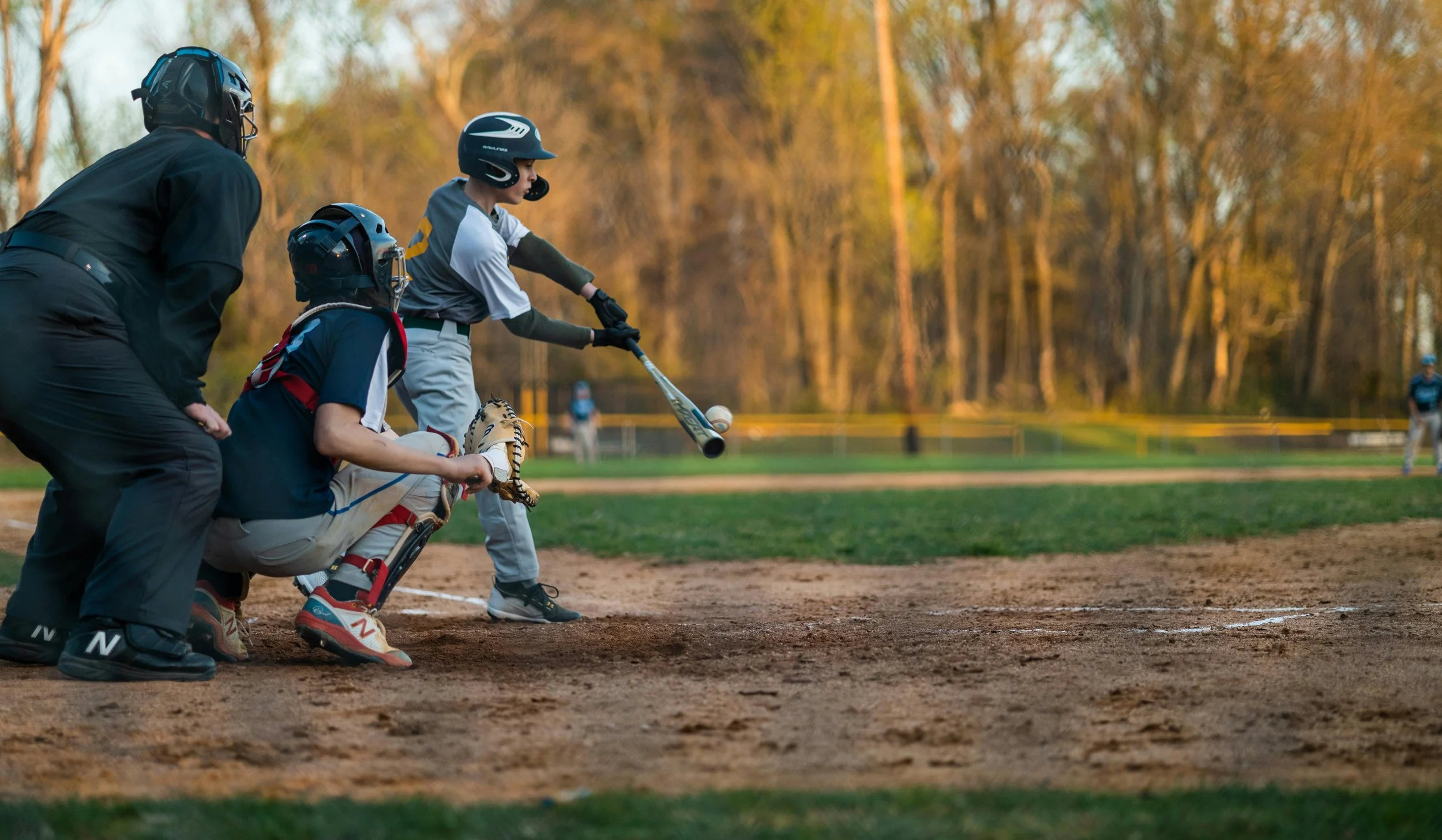

What Families Usually Mean When They Ask “Am I Recruitable”
High school counselors hear it all the time: “Is this athlete recruitable?”
It’s a simple question with a complicated answer. This week’s article breaks down how to navigate that conversation with clarity, honesty, and context, and how to help families focus on process, fit, and the many pathways that make college athletics meaningful.

Upcoming Webinar: Understanding Sports Management as a Career Path
In this post, we’re announcing an upcoming webinar hosted by the IECA Advising the College-Bound Student-Athlete Affinity Group that brings real clarity to sports management and sports business as a career path. The conversation features Ryan Burke, Joe Slater, and Stephen Master, each coming from a different corner of the sports world: private industry, college athletics, and academia.
The webinar will dig into what sports business really looks like day to day, the roles students often don’t realize exist, the skills that matter most, and how counselors can help students choose programs and internships wisely.
If you regularly work with student-athletes who say they want to “work in sports” and you want better tools to guide that conversation, this one’s worth a read.
Click through to the blog post for full details and webinar info.

Why Student-Athlete Academic Success Matters
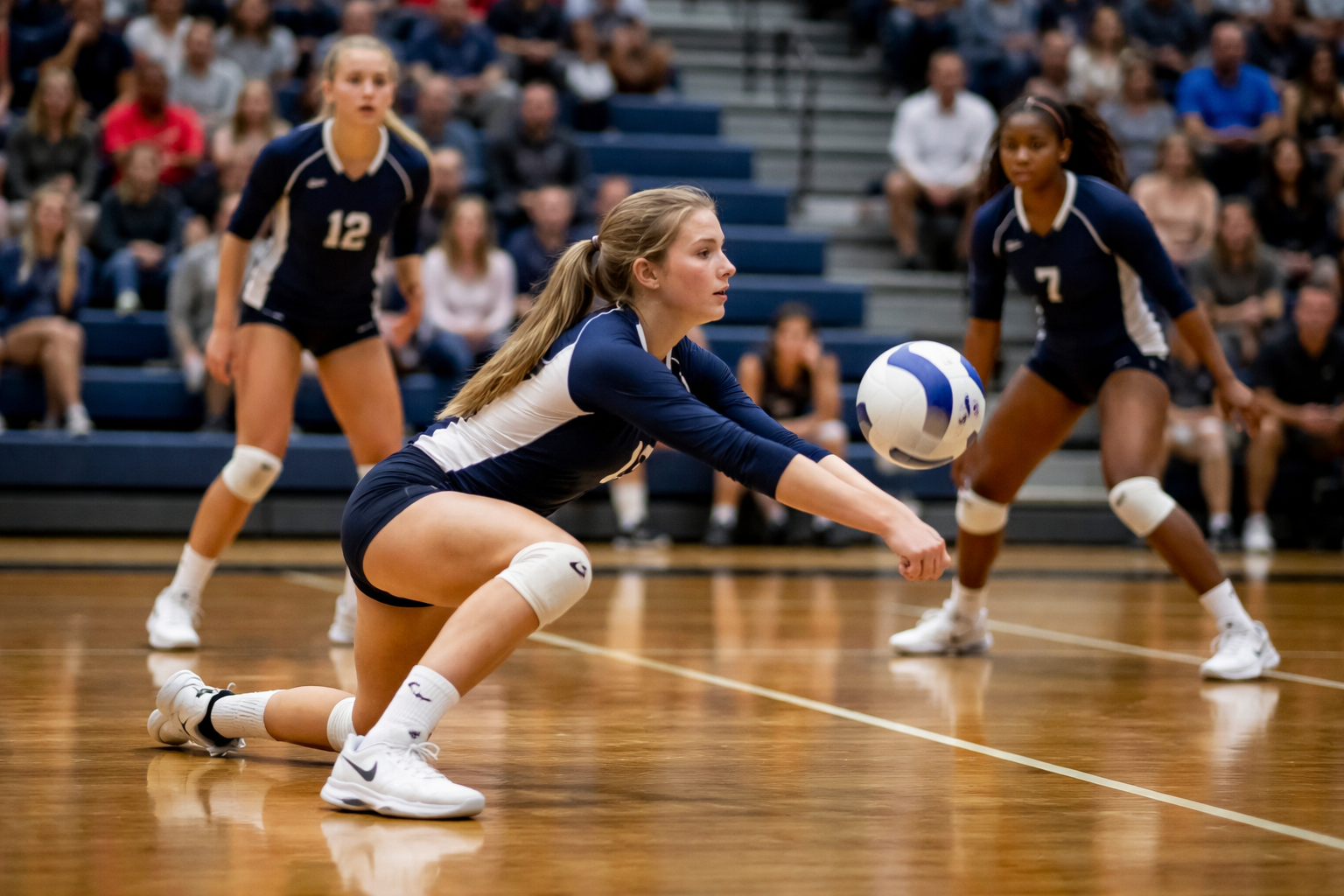
The NCAA’s newest Graduation Success Rate report continues a pattern many counselors and educators have seen firsthand. Student-athletes are graduating at strong rates and contributing meaningfully to the academic life of their campuses.
In this article, we break down what the GSR actually measures, what the latest data shows, and why it matters for counselors working with high school athletes and their families. It’s a useful resource for reframing common misconceptions about college athletics and for grounding advising conversations in clear, reliable data.